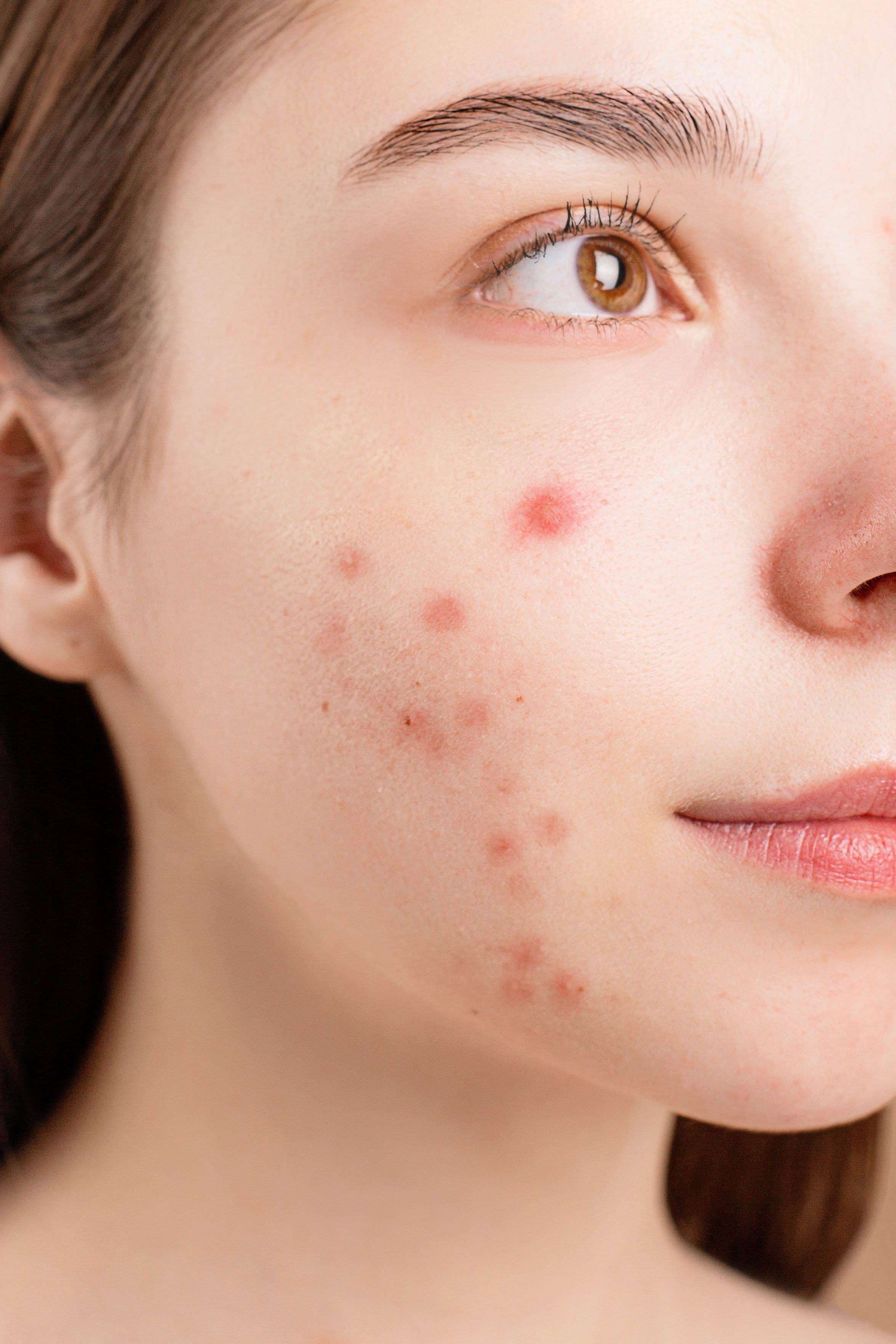
Sensitive skin reacts more readily than average to products, weather, and even fabric — often with redness, stinging, or itching that can appear within minutes of applying something new. This heightened reactivity usually comes down to a compromised skin barrier, which lets irritants penetrate more easily than they would on resilient skin. The fix isn't more products, it's fewer, gentler ones — giving the barrier space to repair itself before layering anything active back on.
🩷 Sensitive Skin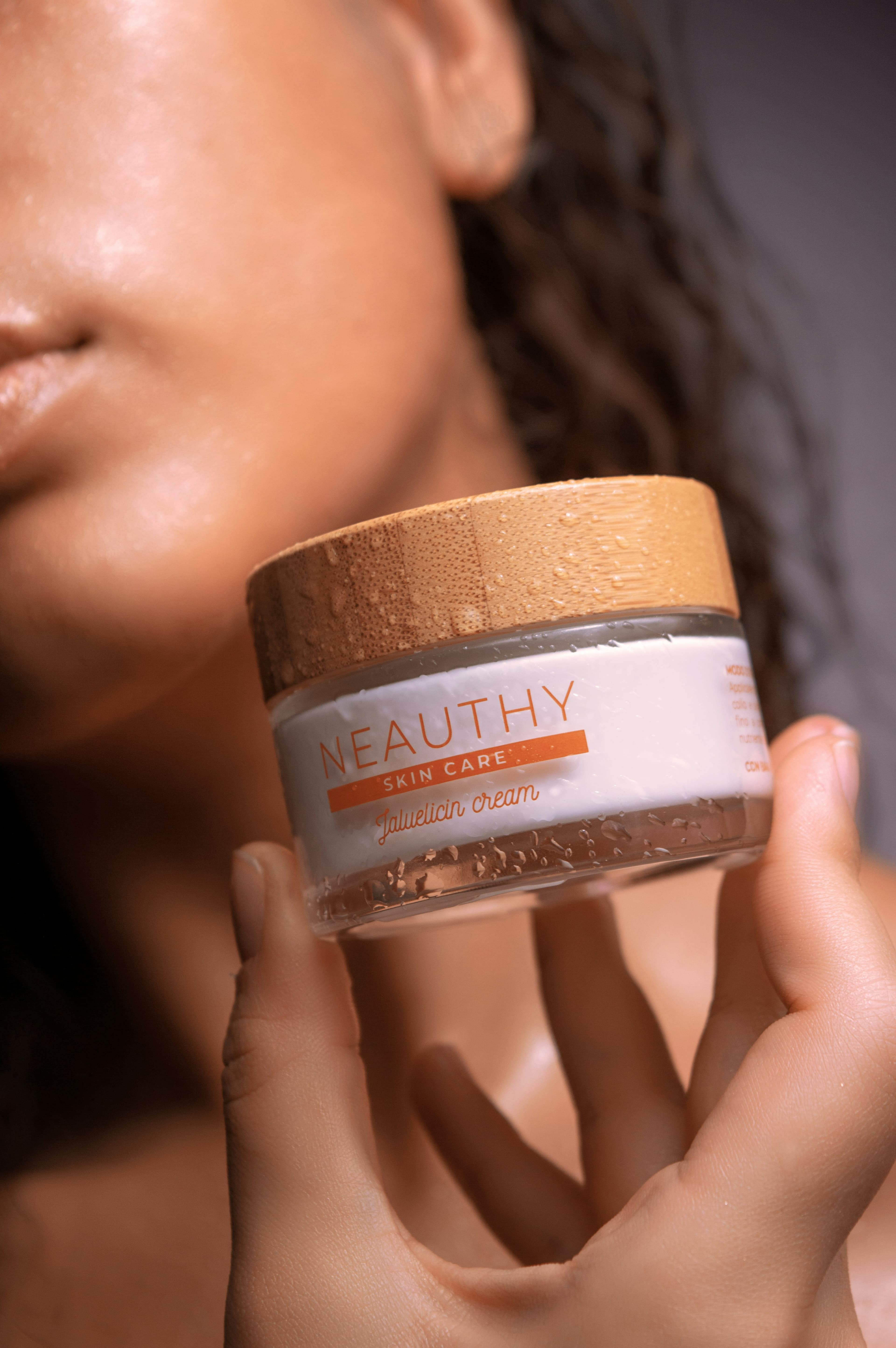
Sensitive Skin
Sensitive skin reacts easily to skincare products and environmental factors.
What Causes It
Sensitivity is rarely random. It's almost always tied to something weakening the skin's natural protective barrier, which then leaves it exposed to everyday triggers.
- Weak skin barrier
- Fragrance
- Weather
- Allergies
Recommended Treatments
For sensitive skin, 'treatment' means calming and rebuilding rather than treating aggressively. These ingredients support the barrier without adding fuel to the reaction.
- Fragrance-free products
- Ceramides
- Gentle cleanser
- Barrier repair cream
What to Avoid
Sensitive skin often reacts to ingredients that are marketed as gentle or natural but are actually common triggers in disguise.
- ✒Fragrance and essential oils, even 'natural' ones
- ✒Sulfates and harsh surfactants
- ✒Physical exfoliants (scrubs) — opt for gentle chemical exfoliation if needed
- ✒Introducing multiple new products at once — patch test and add one at a time
Suggested Routine
Less is genuinely more here. A short, repeatable routine with barrier-focused products gives sensitive skin the best chance to stay calm day to day.
AM Routine
- Fragrance-free gentle cleanser (or water rinse only)
- Soothing, barrier-repair serum
- Ceramide moisturizer
- Mineral (zinc oxide/titanium dioxide) SPF 30+
PM Routine
- Fragrance-free gentle cleanser
- Barrier repair cream or ointment
When to See a Dermatologist
Sensitivity that doesn't settle with a simplified routine can sometimes signal an underlying condition that benefits from professional diagnosis.
- •Redness, burning, or itching is frequent or long-lasting
- •Reactions happen even with fragrance-free, 'sensitive skin' labeled products
- •You notice swelling, hives, or signs of an allergic reaction