Acne shows up when hair follicles become clogged with oil and dead skin cells, creating the perfect environment for bacteria to thrive. The result is anything from small blackheads and whiteheads to deeper, more painful cystic breakouts. It's easy to think of acne as just a teenage issue, but hormonal fluctuations, stress, and even the wrong skincare routine can trigger it well into adulthood. The good news is that with a consistent, well-matched routine, most acne is manageable at home — it just takes patience and the right ingredients working together rather than against each other.
✨ Acne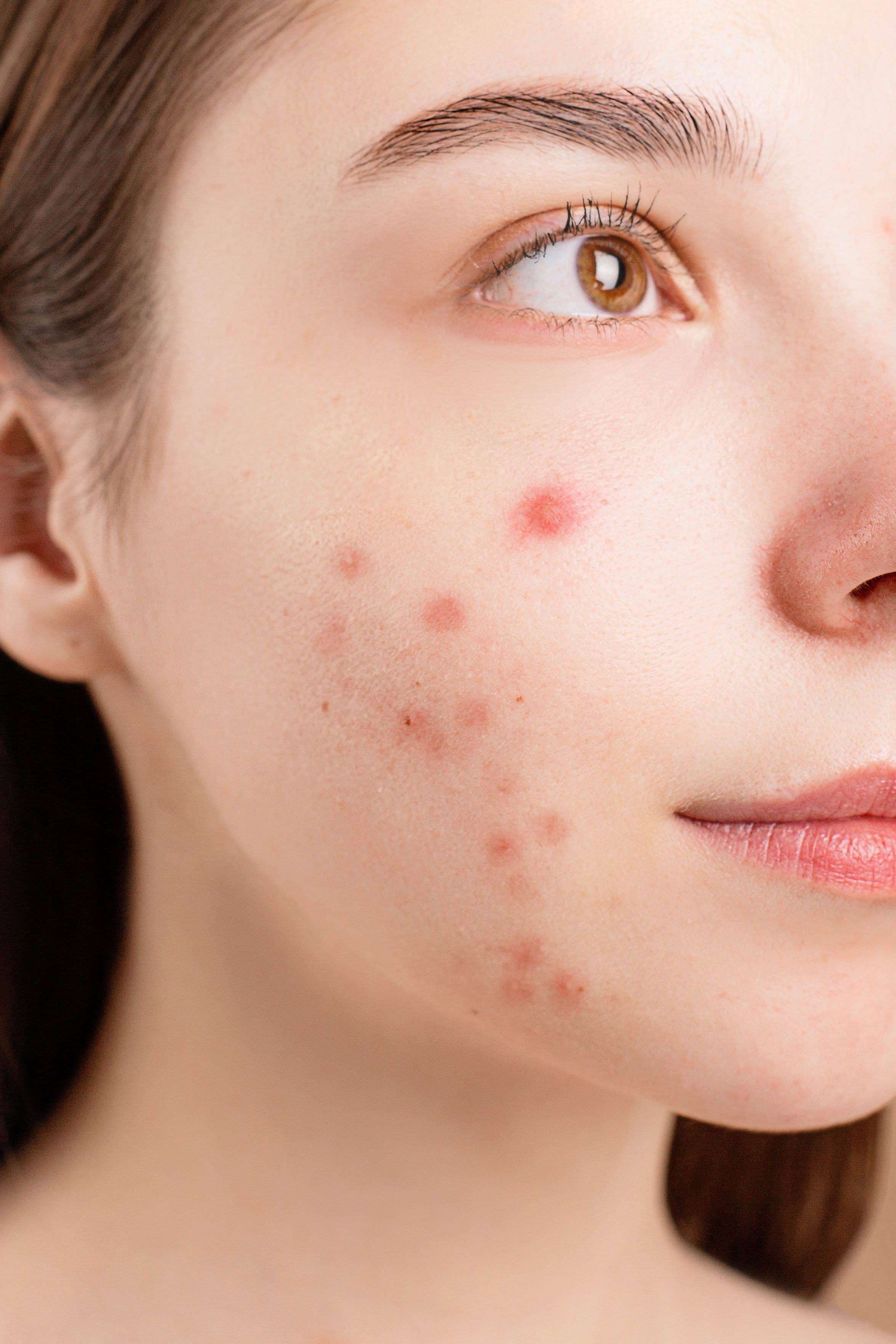
Acne
Acne is one of the most common skin conditions caused by clogged pores, excess oil, bacteria, and inflammation.
What Causes It
Acne rarely comes from a single cause — it's usually a combination of factors building up over time. Understanding what's driving your breakouts is the first step to actually treating them instead of just reacting to them.
- Excess oil production
- Clogged pores
- Hormonal changes
- Acne-causing bacteria
Recommended Treatments
Effective acne treatment works on more than one front at once — clearing existing breakouts while preventing new ones from forming. These are the ingredients dermatologists reach for most often, and each tackles a different part of the problem.
- Salicylic Acid
- Niacinamide
- Benzoyl Peroxide
- Retinoids
What to Avoid
Just as important as what you add to your routine is what you leave out. A lot of acne-prone skin gets worse not from lack of effort, but from products and habits that quietly work against it.
- ✒Heavy, pore-clogging oils and butters (comedogenic ingredients)
- ✒Harsh physical scrubs — they can worsen inflammation
- ✒Alcohol-heavy toners that over-dry and trigger more oil production
- ✒Picking or popping breakouts
Suggested Routine
Consistency matters more than complexity here. A simple, repeatable routine morning and night — one that treats without over-stripping — tends to outperform an aggressive multi-step regimen that irritates the skin barrier.
AM Routine
- Gentle cleanser
- Niacinamide serum
- Oil-free moisturizer
- Broad-spectrum SPF 30+
PM Routine
- Gentle cleanser (double cleanse if wearing makeup/SPF)
- Salicylic acid or benzoyl peroxide treatment (start 2–3x/week)
- Lightweight, non-comedogenic moisturizer
When to See a Dermatologist
Most acne responds well to consistent at-home care, but some cases need more than the drugstore aisle can offer. Here's when it's worth booking a dermatologist appointment instead of pushing through alone.
- •Breakouts are cystic, painful, or leaving dark marks/scars
- •Over-the-counter treatments show no improvement after 8–12 weeks
- •Acne is sudden, severe, or appears alongside other symptoms