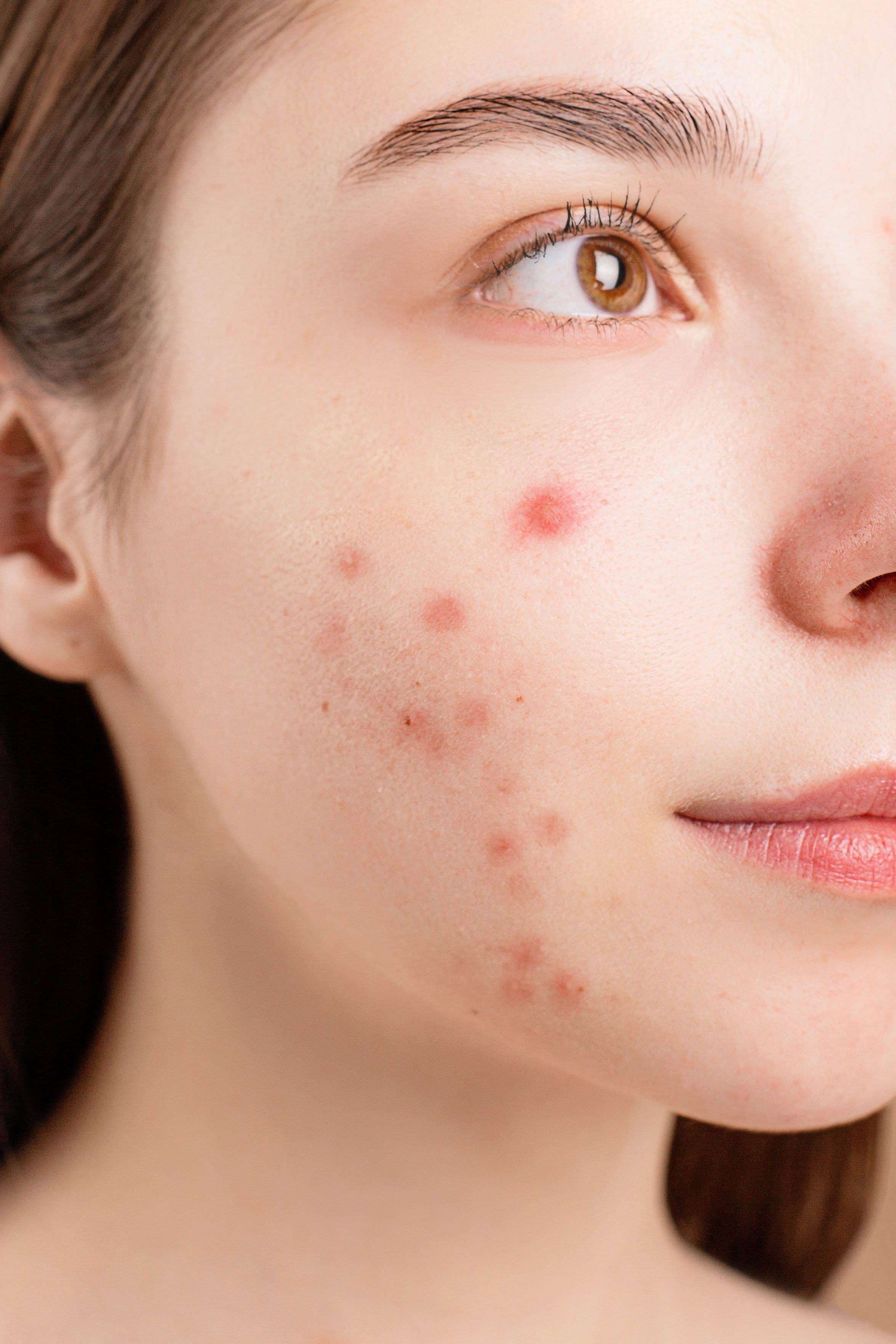
Pigmentation refers to patches of skin that appear darker than the surrounding area, caused by an overproduction of melanin. It's most commonly triggered by sun exposure, but can also follow acne breakouts, hormonal shifts, or any inflammation the skin has experienced. Because pigmentation forms below the surface, it tends to respond slowly to treatment — often taking several months of consistency before real change is visible, which is why sunscreen and patience matter just as much as the active ingredients themselves.
☀️ Pigmentation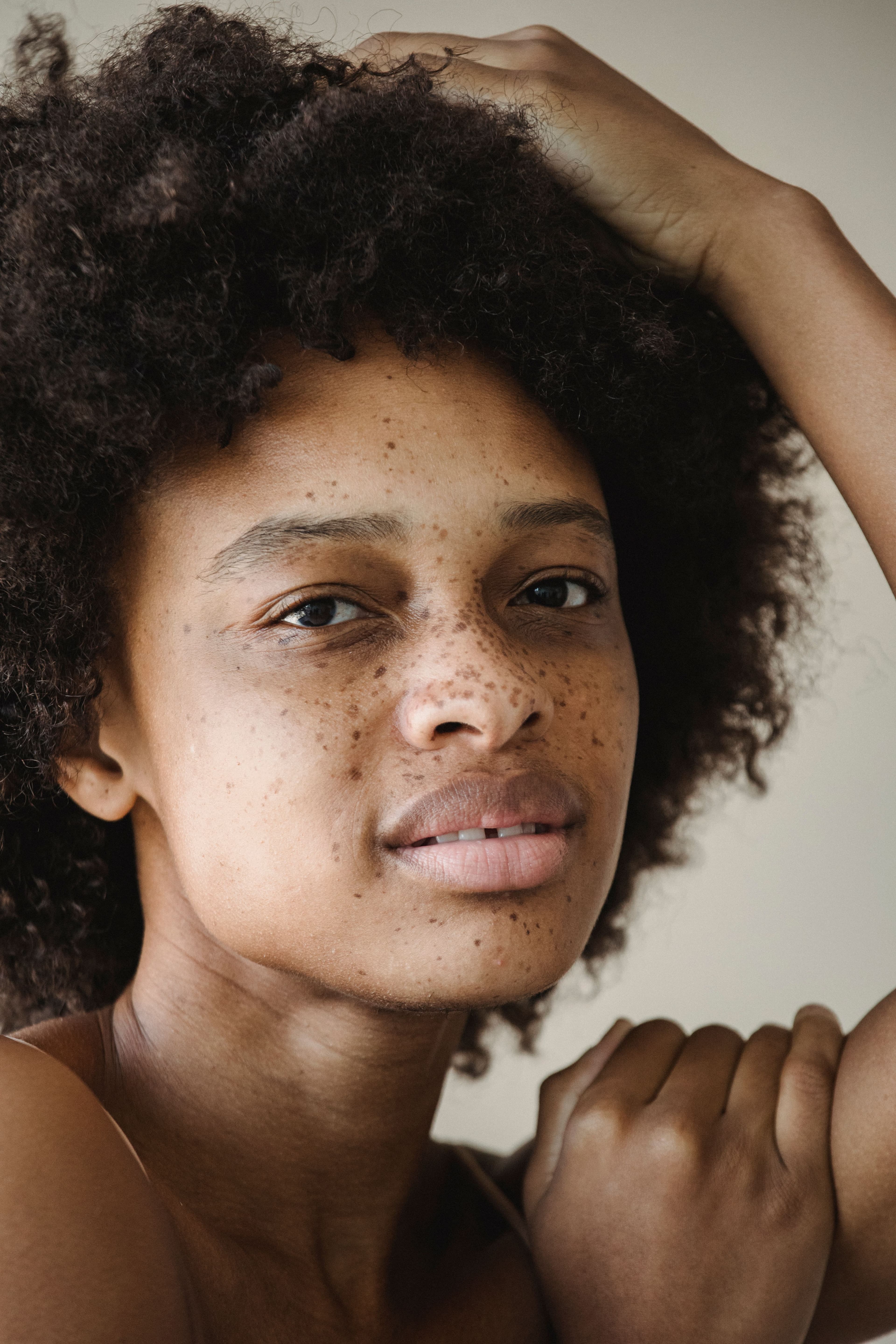
Pigmentation
Pigmentation causes uneven skin tone and dark patches.
What Causes It
Pigmentation is the skin's response to a trigger, not a random occurrence — identifying what set it off helps determine which treatment approach will actually work.
- Sun exposure
- Acne scars
- Hormones
- Inflammation
Recommended Treatments
Brightening pigmentation is a slow, steady process built on ingredients that both fade existing dark spots and prevent new ones from forming.
- Vitamin C
- Niacinamide
- Retinol
- Daily Sunscreen
What to Avoid
Progress on pigmentation can be undone quickly by a few common mistakes — most of them centered around sun protection and impatience.
- ✒Skipping sunscreen — this is the single biggest driver of worsening pigmentation
- ✒Harsh scrubs on already-inflamed or pigmented areas
- ✒Unregulated high-strength lightening products bought without guidance
- ✒Picking at acne, which can leave lasting dark marks
Suggested Routine
Morning sun protection and evening actives work together here — one prevents new pigmentation, the other fades what's already there.
AM Routine
- Gentle cleanser
- Vitamin C serum
- Moisturizer
- Broad-spectrum SPF 30–50, reapplied through the day
PM Routine
- Gentle cleanser
- Niacinamide or retinol treatment (alternate nights if new to retinol)
- Moisturizer
When to See a Dermatologist
Most pigmentation can be managed at home with time, but certain changes are worth having a professional look at directly.
- •A dark patch changes shape, color, or size suddenly
- •Pigmentation is widespread or not responding to consistent SPF + treatment use
- •You want to explore in-office options (peels, lasers) for faster results